Bengal Beyond Bengal
Why Many Bengali Artists Found Greater Recognition Outside Bengal After Independence
-- Vikram Bachhawat
One of the interesting developments in post-Independence Indian art is that many 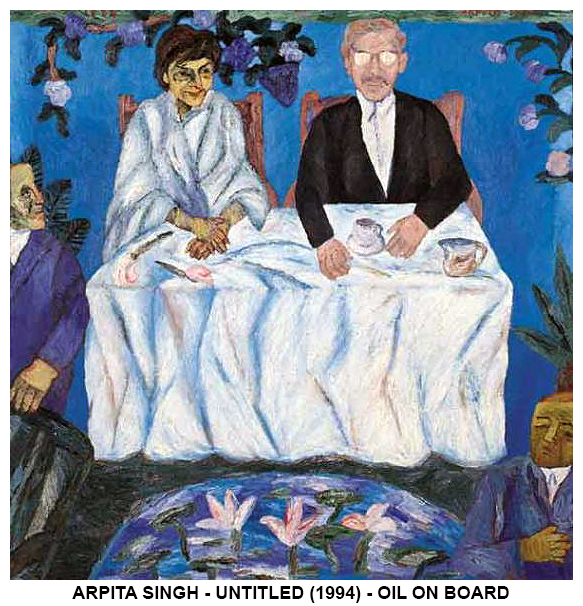 Bengali artists received greater recognition after moving outside Bengal. While Bengal remained one of the most important cultural and artistic centres in India, cities like Delhi, Mumbai, Baroda, and even Paris gradually became more influential in shaping the national art scene after 1947.
Artists such as Arpita Singh, Anjolie Ela Menon, Sakti Burman, Paresh Maity, and Jayasri Burman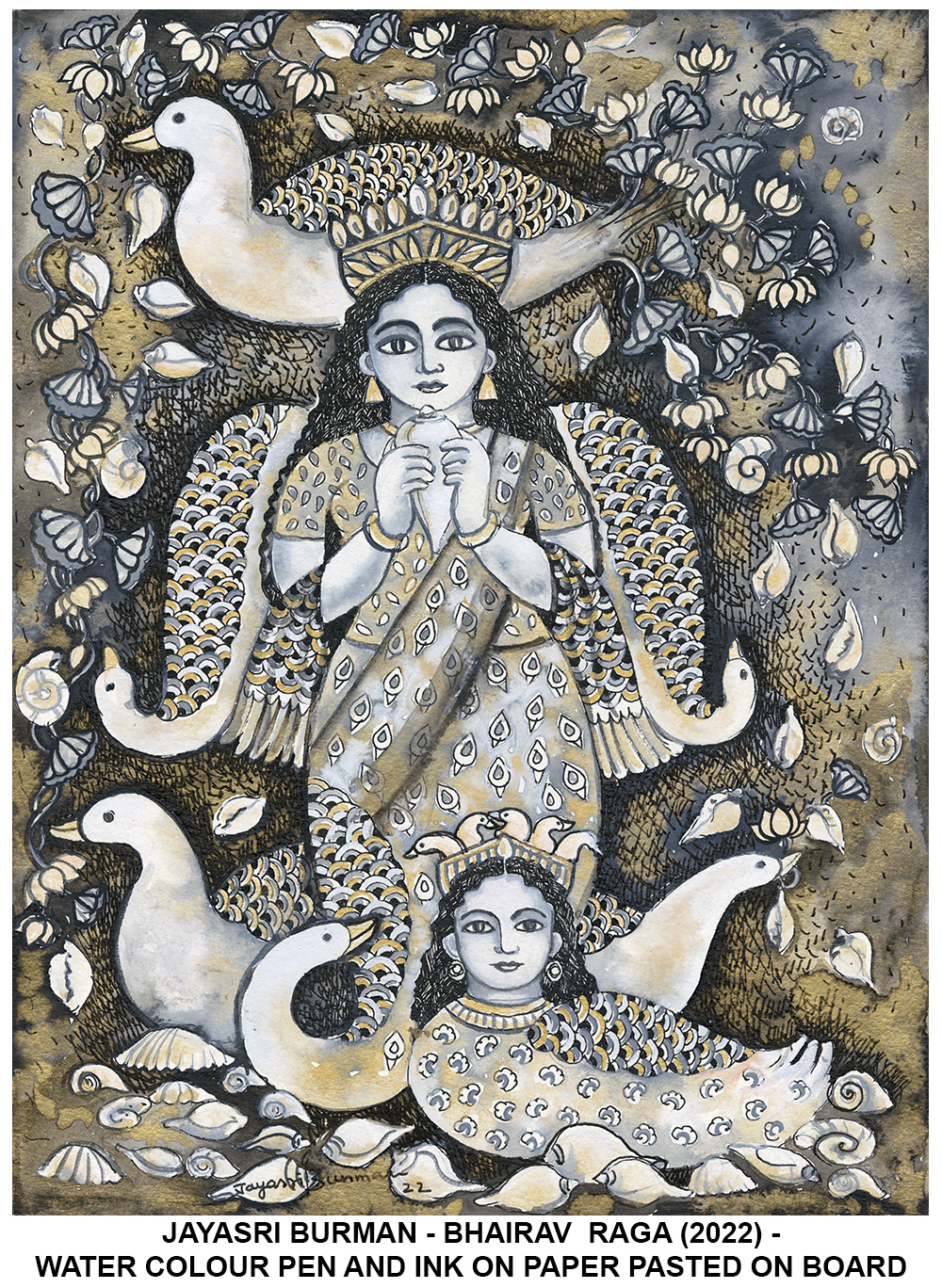 built successful careers largely outside Bengal. Although each artist had a very different style and artistic journey, they benefited from better gallery networks, stronger institutional support, wider collector bases, and greater international exposure available in these cities and global art centres.
Delhi slowly became one of the most powerful centres of Indian art because many national institutions, museums, academies, embassies, and cultural organisations were concentrated there. Artists connected to Delhi often had easier access to exhibitions, grants, corporate collections, critics, curators, and international opportunities.
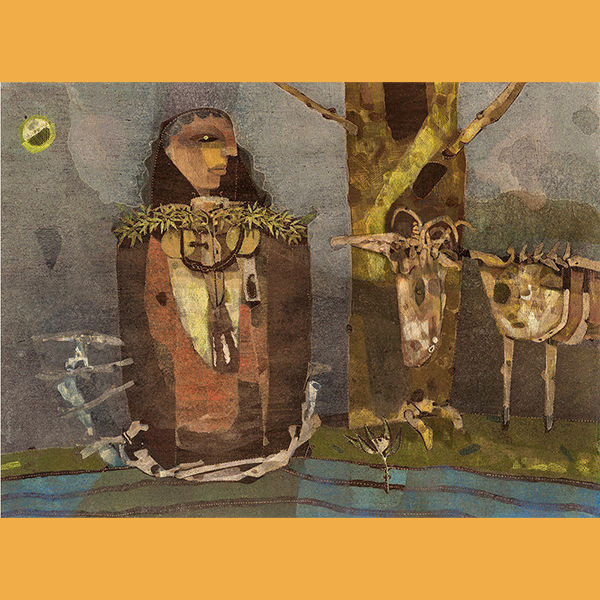
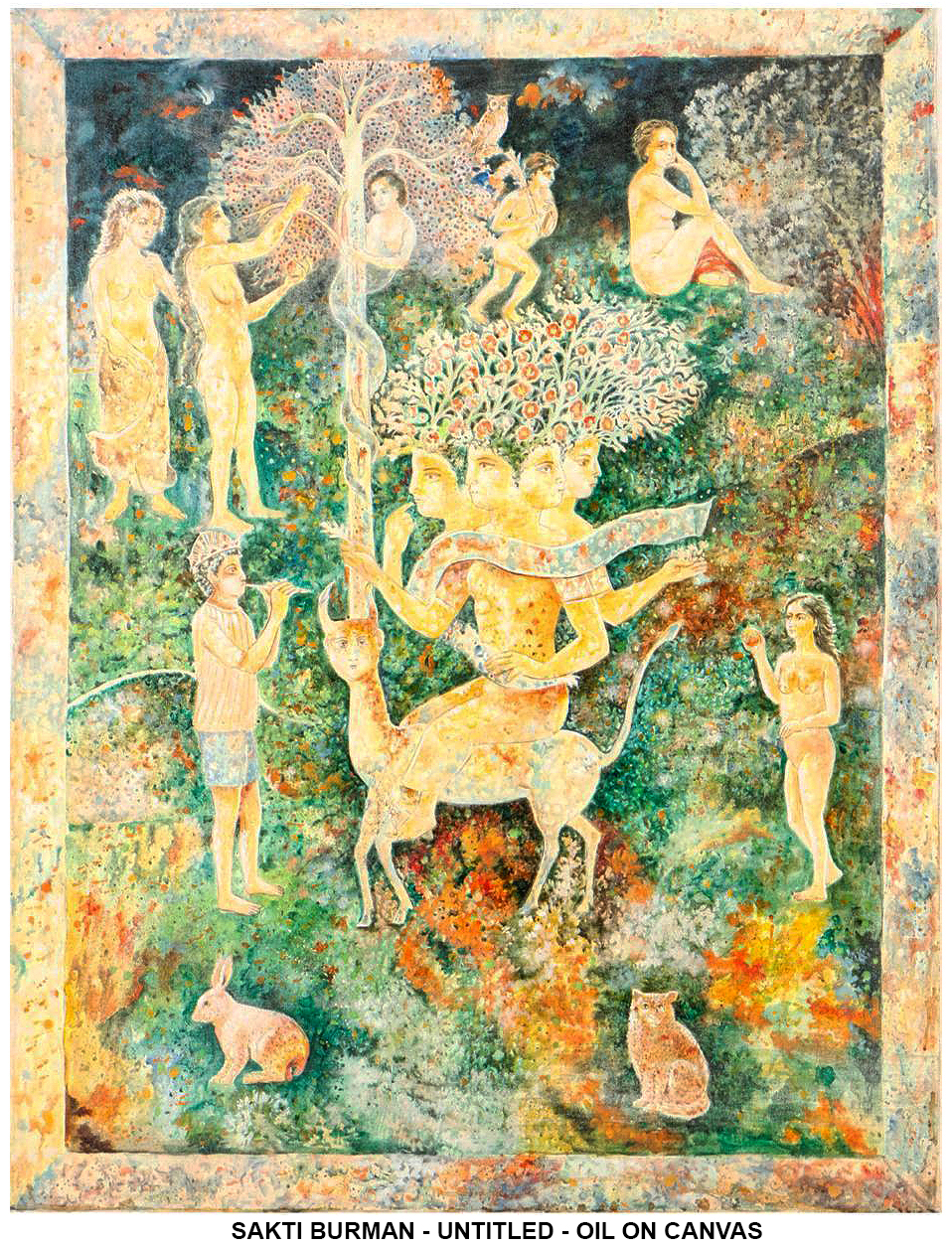 Similarly, artists who worked abroad, especially in Paris, became part of larger global conversations around modern art. Sakti Burman is one of the best examples of this. Though deeply influenced by Bengali culture, mythology, and memory, his long stay in Paris gave his work an international identity while still retaining its Bengali poetic quality.
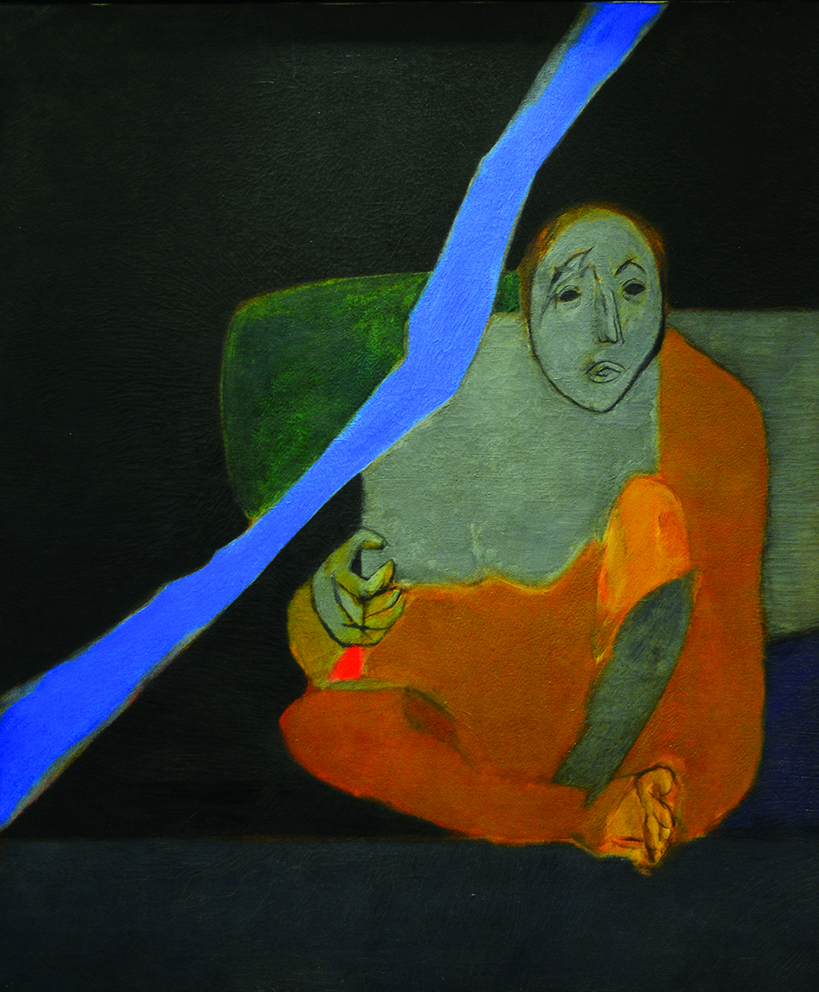
Arpita Singh and Anjolie Ela Menon also grew within a wider metropolitan environment where the art infrastructure was stronger than Kolkata during certain periods. Their visibility increased because they were part of a national cultural network centred largely around Delhi. 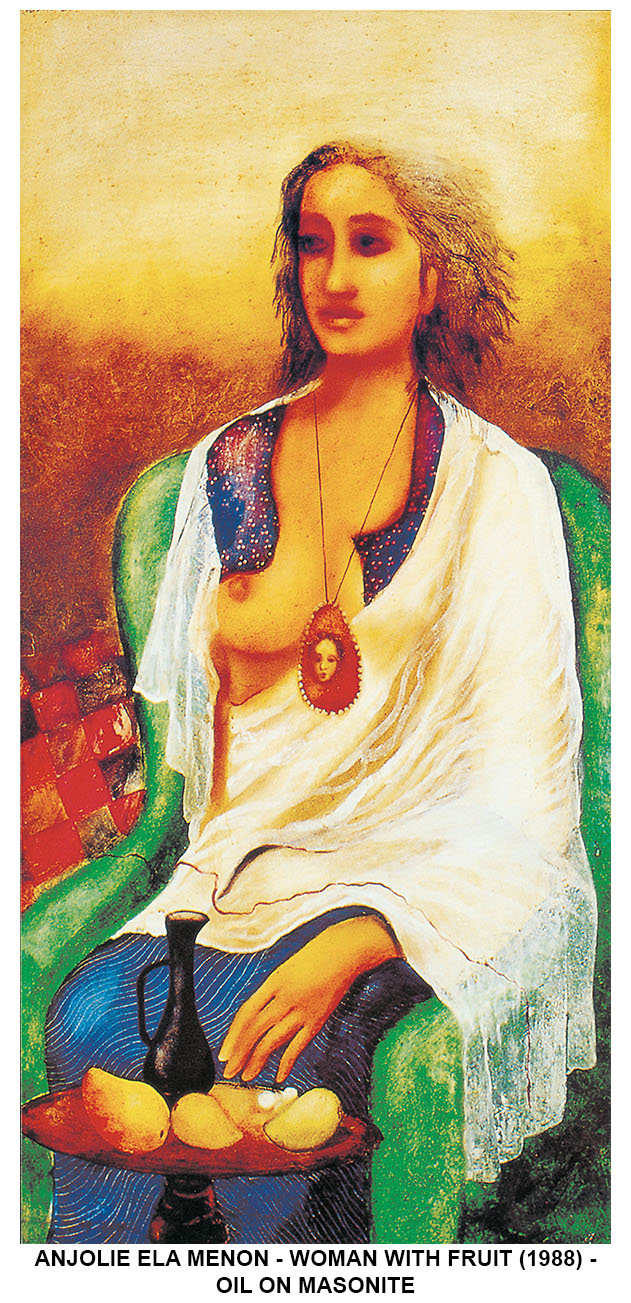
Paresh Maity belongs to a later generation, but his success followed a similar path. Though born in Bengal, his rise happened through active engagement with national and international galleries outside Kolkata. Jayasri Burman too became part of a broader Indian and international art circuit where her mythological and symbolic works reached larger audiences.
This does not mean Bengal stopped producing important artists after Independence. In fact, Kolkata continued to produce some of India’s most original and intellectually powerful artists. However, artistic excellence and national visibility did not always go together. 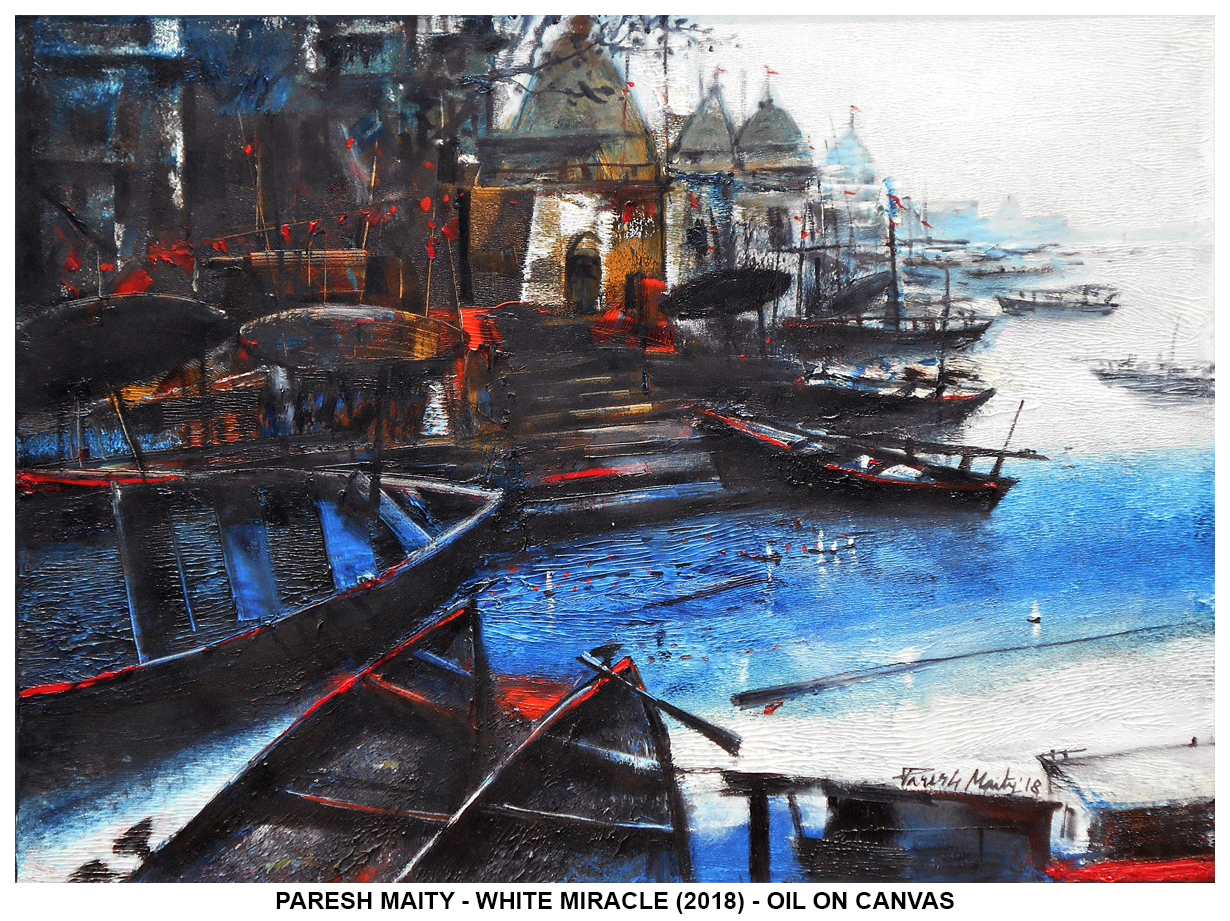
A few major artists working mainly from Bengal still achieved exceptional recognition because of the uniqueness of their work. Ganesh Pyne created one of the most mysterious and emotionally intense visual worlds in Indian art. Jogen Chowdhury developed a highly distinctive style based on line and distortion that gained both national and international appreciation. Ganesh Haloi became known for his quiet and meditative abstraction, while Bikash Bhattacharjee brought psychological realism and urban life into Indian painting with extraordinary intensity.
Even so, wider recognition for many Bengal-based artists often came more slowly compared to artists working in Delhi, Mumbai, or abroad.
There were several reasons for this. 
Kolkata’s art world remained intellectually rich but commercially less aggressive than cities like Delhi and Mumbai. Bengal had strong traditions of literature, theatre, printmaking, political art, and critical debate, but it lacked the rapidly expanding gallery and collector infrastructure developing elsewhere. 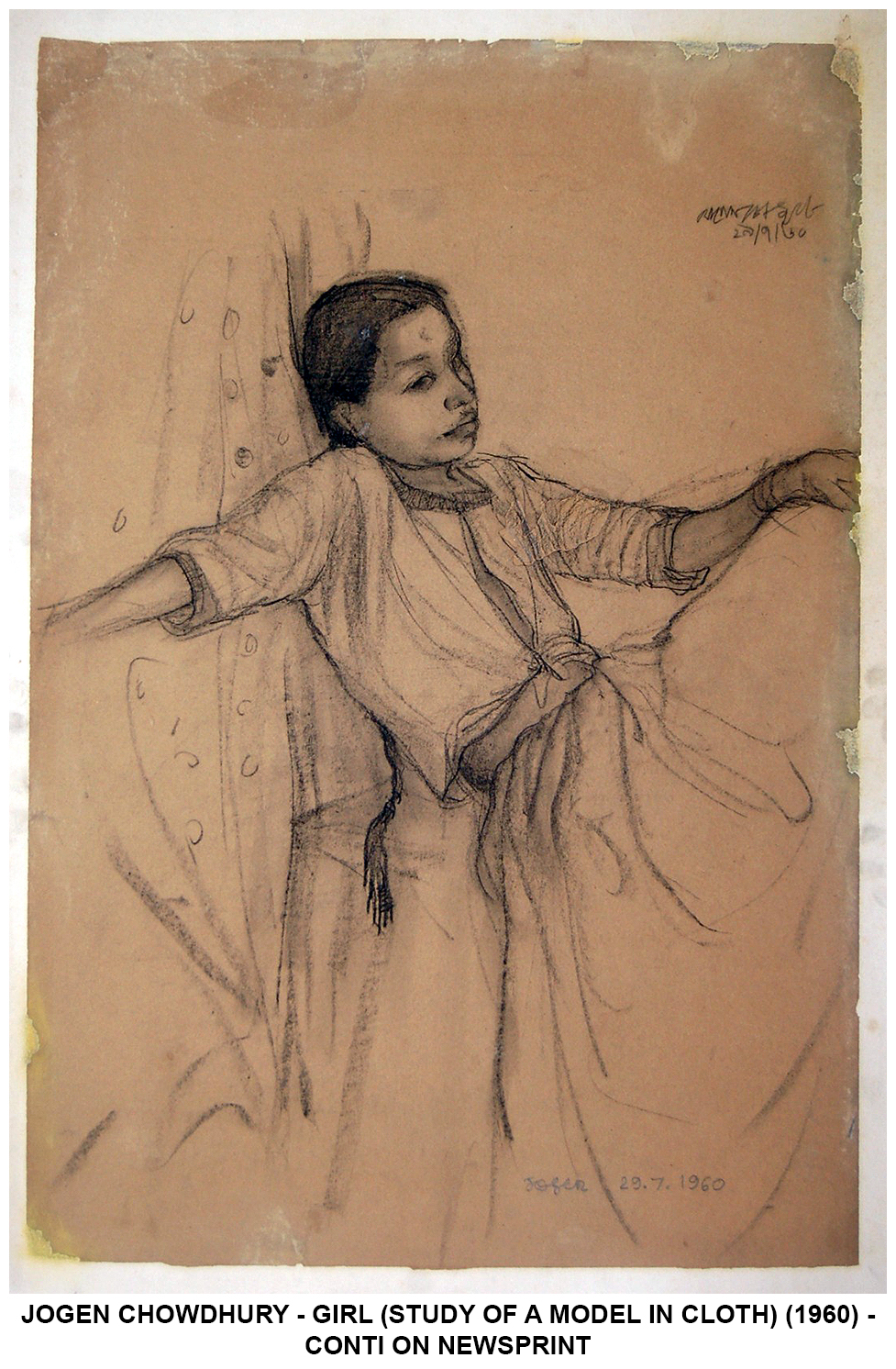
Many Bengali artists were also less interested in self-promotion or aggressive market visibility. Artistic integrity, teaching, experimentation, and intellectual engagement often mattered more than commercial success. This created great artistic depth, but sometimes limited wider exposure.
Another reason was the gradual shift of institutional and commercial power away from Bengal after the 1970s. While Kolkata and Santiniketan remained culturally important, many private galleries, auction houses, collectors, and international collaborations became concentrated in Delhi and Mumbai.
At the same time, Bengal’s influence on Indian art continued quietly across the country. Even artists who achieved fame outside Bengal often carried elements of Bengali artistic culture in their work — lyricism, storytelling, symbolism, literary influence, and emotional depth. 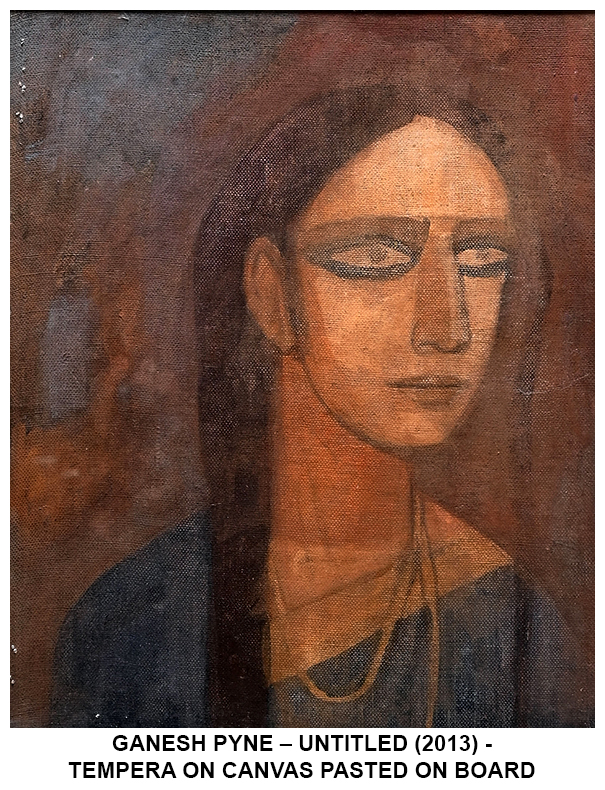
Today, this imbalance is slowly changing. New research, digital archives, publications, exhibitions, and renewed interest in overlooked artists are helping people re-evaluate Bengal’s contribution to Indian modernism. Artists once considered regional are now entering larger national and international discussions.
The story of post-Independence Bengali artists is therefore not simply about leaving Bengal for better opportunities. It is also about how artistic visibility is shaped by geography, institutions, infrastructure, and market networks. Some of the most important contributions to Indian modern art were created quietly in Bengal, even if recognition arrived later.
In the end, artistic importance and market visibility are not always the same thing. Bengal continued to produce remarkable artists, but many who moved beyond Bengal found larger platforms and wider opportunities at the national and international level.
Comments
Join the Discussion
Please login to post comments.
Login